
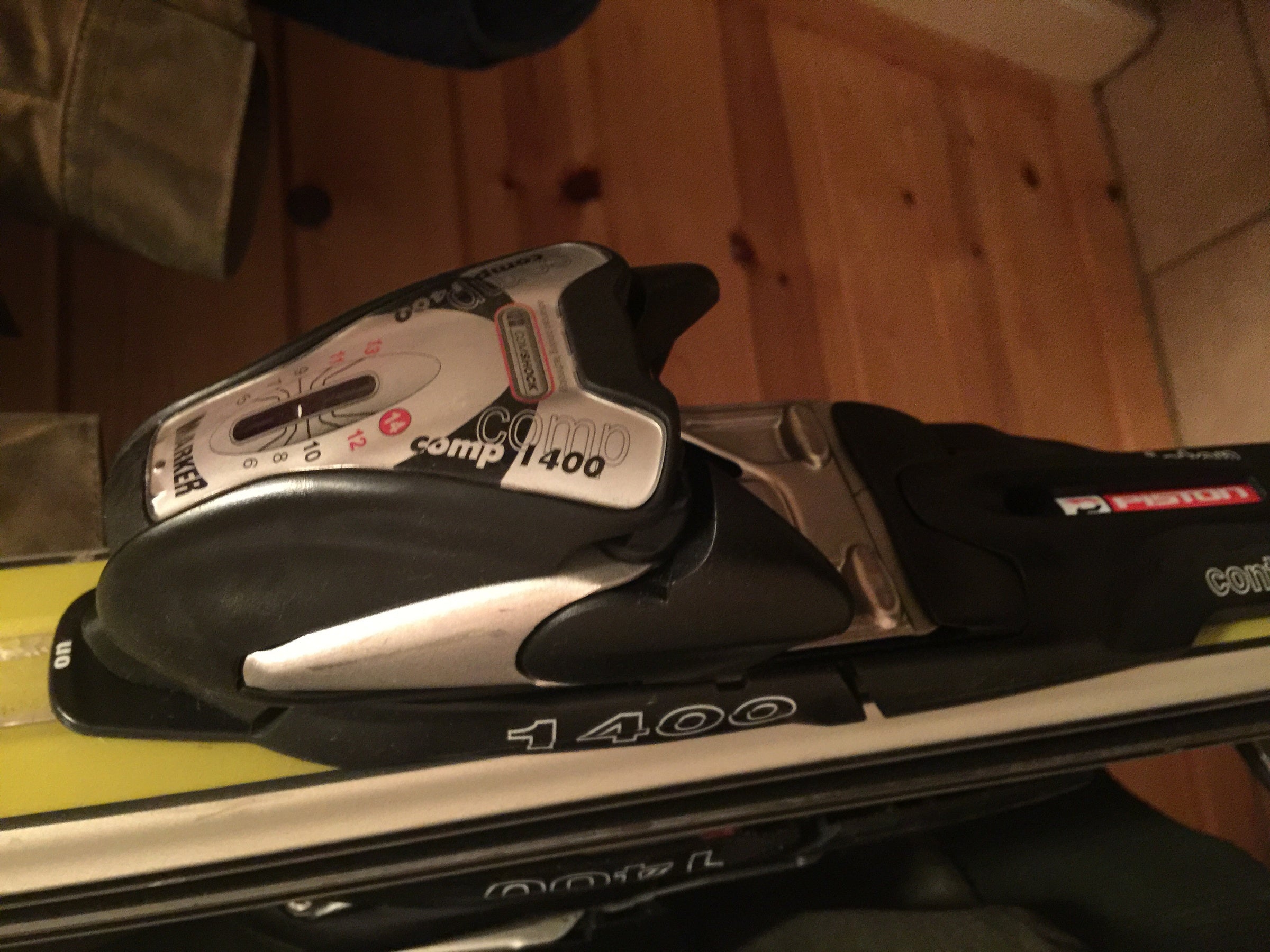
Ski bindings are one of the most important safety components of your ski equipment. They are designed to hold your boots securely to your skis while skiing, but release during certain types of falls to help reduce the risk of injury.
Because of their role in skier safety, ski shops must follow strict manufacturer guidelines when working on ski bindings. One of the most common situations skiers encounter is being told that their bindings are no longer indemnified, and therefore cannot be adjusted or serviced.
For many skiers, this can be confusing or frustrating. This guide explains what ski binding indemnification means, why it matters for safety, and what your options are if your bindings are no longer serviceable.
What Does Ski Binding Indemnification Mean?
Ski binding indemnification refers to a policy used by ski binding manufacturers to determine which bindings ski shops are allowed to service.
Each year, manufacturers publish indemnification lists that specify which models of ski bindings are approved for mounting, adjustment, and testing by certified ski technicians.
These lists are distributed to retailers and technicians who are certified to work on their bindings. Ski shops must follow these lists for both safety and liability reasons.
If a binding appears on the list, the manufacturer continues to:
-
Support the binding
-
Provide service information and technical documentation
-
Allow technicians to mount, adjust, and test the binding
If a binding is not on the indemnification list, ski shops cannot legally or safely work on it.
Why Bindings Eventually Lose Indemnification
Most ski bindings remain indemnified for approximately 8–12 years, depending on the manufacturer and model.
Bindings may fall off indemnification lists sooner if they begin failing release tests at higher rates.
Over time, several factors can affect how ski bindings function:
-
Plastic degradation from UV exposure and age
-
Spring fatigue after years of compression and use
-
Wear in moving parts such as the toe wings and heel track
-
Internal lubrication drying out
-
Metal fatigue in binding components
Even if a binding appears to be in good condition visually, internal components may no longer function as intended.
Because of this, manufacturers eventually remove older models from indemnification lists to protect skier safety.
How Ski Technicians Test Ski Bindings
When a ski shop adjusts ski bindings, certified technicians follow a detailed process to ensure the bindings function properly.
First, a technician performs a visual inspection of the equipment. This inspection checks:
-
Compatibility between the ski boot sole and binding
-
Any visible damage or excessive wear
-
Whether the bindings are still indemnified by the manufacturer
Next, the technician sets the forward pressure of the binding. Forward pressure ensures that the binding is properly sized to the skier’s boot.
The binding’s DIN settings are then adjusted based on several factors including:
-
Skier height
-
Skier weight
-
Skier age
-
Skier type or aggressiveness level
-
Boot sole length
Once the bindings are adjusted, the release function is tested.
This release test measures the amount of force required for the boot to release from the binding. Ski shops perform this test using either a calibrated machine or specialized hand tools.
At The Pro Ski and Ride, technicians use a Wintersteiger Safetronic binding testing machine, which precisely measures release values to ensure bindings meet industry safety standards.
If the release values are outside the acceptable range, the technician adjusts the springs until the binding releases with the correct amount of force.
Why Ski Shops Cannot Work on Non-Indemnified Bindings
Many skiers assume that ski shops refuse to work on older bindings simply to sell new equipment.
In reality, this policy exists for safety and liability reasons.
When a binding is removed from the manufacturer’s indemnification list, the manufacturer no longer supports that product. If a ski shop adjusts or mounts a non-indemnified binding and a skier is injured because the binding fails to release properly, the ski shop assumes full liability.
For this reason, ski shops must follow manufacturer indemnification lists.
Refusing to adjust non-indemnified bindings is not a sales tactic—it is a safety standard designed to protect both skiers and technicians.
System Bindings and Integrated Ski Bindings
Some skis use system bindings, which are built into a track or plate attached to the ski.
These bindings may either:
-
Sit on a track system, which may or may not be removable
-
Be integrated directly into the ski, making them impossible to replace independently
These bindings are often purpose-built for a specific ski model.
If a system binding becomes non-indemnified or fails a release test, it may not be possible to replace the binding alone. In many cases, the skier must replace both the skis and bindings together.
What Are Your Options If Your Bindings Are No Longer Indemnified?
If your ski bindings are no longer indemnified, you still have several options.
Replace the Bindings
If the skis are still modern and in good condition, replacing the bindings can be a practical solution.
However, this is only possible if the skis use standard mounted bindings rather than integrated system bindings.
You can explore current options here:
https://theproskiandride.com/collections/ski-bindings
Replace Both Skis and Bindings
If the skis are older or the bindings are integrated into the ski, replacing the entire setup may be the safest and most practical solution.
New ski and binding systems provide improved safety, performance, and compatibility with modern ski boots.
Rent Skis
If the equipment was only intended for a short ski trip, renting skis may make more financial sense than replacing equipment.
Rental equipment is professionally maintained and tested to meet safety standards.
Adjust Bindings Yourself
Some skiers choose to adjust old bindings themselves.
This approach is not recommended. In addition to the risks associated with non-indemnified bindings, improper adjustment can increase the risk of injury.
Binding adjustments should always be performed by certified ski technicians.
Signs Your Ski Bindings May Be Too Old
There are a few indicators that your ski bindings may be nearing the end of their service life.
Common signs include:
-
Bindings older than 10 years (based on production date, not purchase date)
-
Faded or brittle plastic components
-
Excessive play in the toe or heel pieces
-
Bindings failing a release test
If you are unsure about the age or condition of your bindings, a professional inspection can help determine whether they remain safe to use.
How to Help Your Ski Bindings Last Longer
Proper care and maintenance can extend the service life of your ski bindings.
When purchasing new bindings, consider buying the latest model available so the bindings remain indemnified for the greatest amount of time.
Bindings should also be tested and calibrated:
-
At the beginning of each ski season
-
Whenever you change ski boots
-
After a significant fall or crash
During the off-season, ski bindings should be stored:
-
In a temperature-controlled environment
-
Away from direct sunlight
The binding springs should also be turned all the way down during storage to reduce long-term spring fatigue.
Professional Binding Service at The Pro Ski and Ride
Certified ski technicians are trained to properly mount, adjust, and test ski bindings using manufacturer guidelines and specialized calibration equipment.
Technicians must review manufacturer technical manuals and pass certification exams to work on ski bindings. Hands-on training is also required to ensure technicians understand the mechanics and safety requirements of each binding model.
At The Pro Ski and Ride, our certified technicians service major binding brands including:
-
Marker
-
Look
-
Tyrolia / Head
-
Salomon
-
Atomic
Our technicians are trained to inspect equipment, verify indemnification status, and perform professional binding calibration using our Wintersteiger Safetronic binding testing machine.
We regularly assist skiers from Hunter Mountain, the Catskills, and beyond who need help assessing their ski equipment or determining whether their bindings remain safe to use.
You can learn more about our binding adjustment and mounting services here:
https://theproskiandride.com/pages/binding-services
Frequently Asked Questions About Ski Binding Indemnification
How long do ski bindings last?
Most ski bindings remain indemnified for approximately 8–12 years, depending on the manufacturer. After that time, they are typically removed from indemnification lists.
What does indemnified ski bindings mean?
Indemnified ski bindings are bindings that the manufacturer still supports and allows certified technicians to service, mount, and adjust.
Why won't ski shops adjust my old bindings?
If bindings are not indemnified, ski shops cannot legally or safely work on them. This policy protects both the skier and the shop from safety and liability risks.
Can I replace old ski bindings on my skis?
Sometimes. If the skis have standard mounted bindings, new bindings may be installed. If the skis use integrated system bindings, replacing the skis may also be necessary.
Can I adjust ski bindings myself?
It is not recommended. Improper adjustments can increase the risk of injury and may cause the bindings to release incorrectly during a fall.